

Pregnancy Vaccination: Protecting Your Baby and You
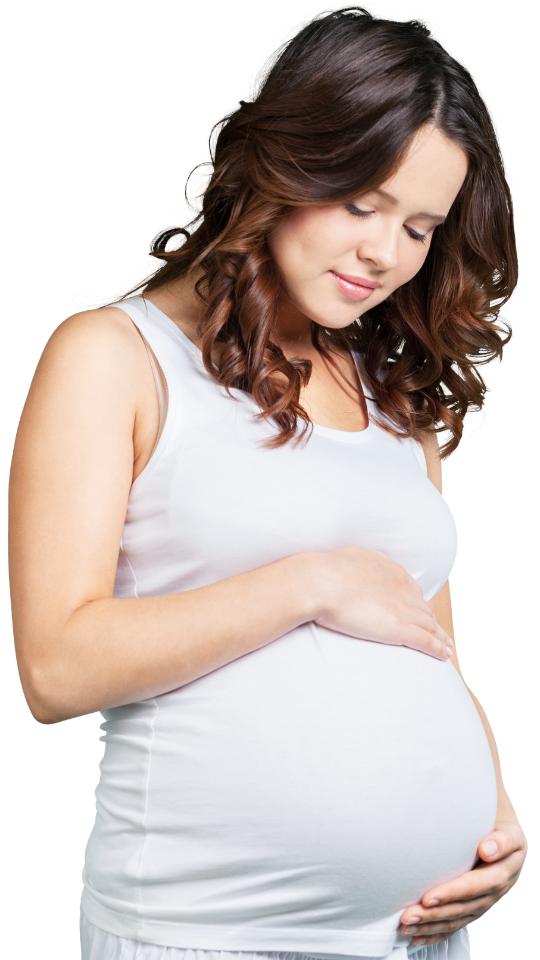
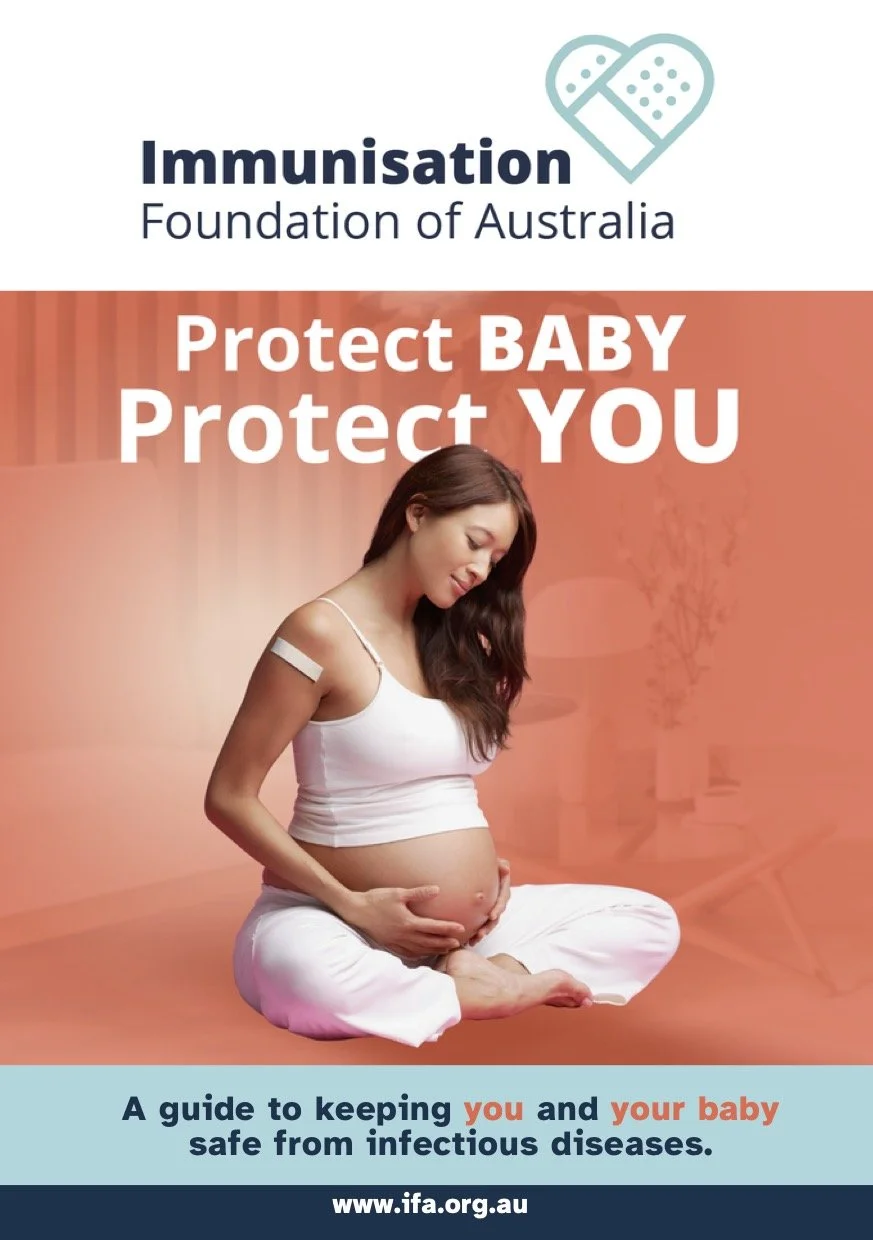
Taking care of your health during pregnancy is crucial and that includes protecting yourself and your baby from preventable diseases. Vaccination is one of the safest and most effective ways to do this.
Safe and effective: Vaccines have been rigorously tested and proven safe and effective for pregnant women and their babies.
Protects your baby: Vaccines pass antibodies to your baby through the placenta, providing them with protection from diseases like whooping cough, flu, and COVID-19 in their early months.
Protects you: Vaccines also protect you, the mother, from serious illnesses during pregnancy.
Recommended by experts: Leading health organisations, including the World Health Organization (WHO), strongly recommend vaccination for pregnant women.
Which vaccines are recommended during pregnancy?
The specific vaccines recommended during pregnancy may vary depending on your individual health and circumstances. However, some of the most common vaccines given during pregnancy include:
✔️ dTpa (diphtheria, tetanus, and pertussis, more commonly known as whooping cough)
✔️ Influenza (also known as flu)
✔️ COVID-19
✔️ RSV (respiratory syncytial virus)
Talk to your antenatal healthcare provider about which vaccines are right for you. They can help you understand the benefits and risks and make the best decision for your health and your baby's well-being.
Remember, vaccinating during pregnancy is one of the most important things you can do to ensure a healthy start for you and your baby.
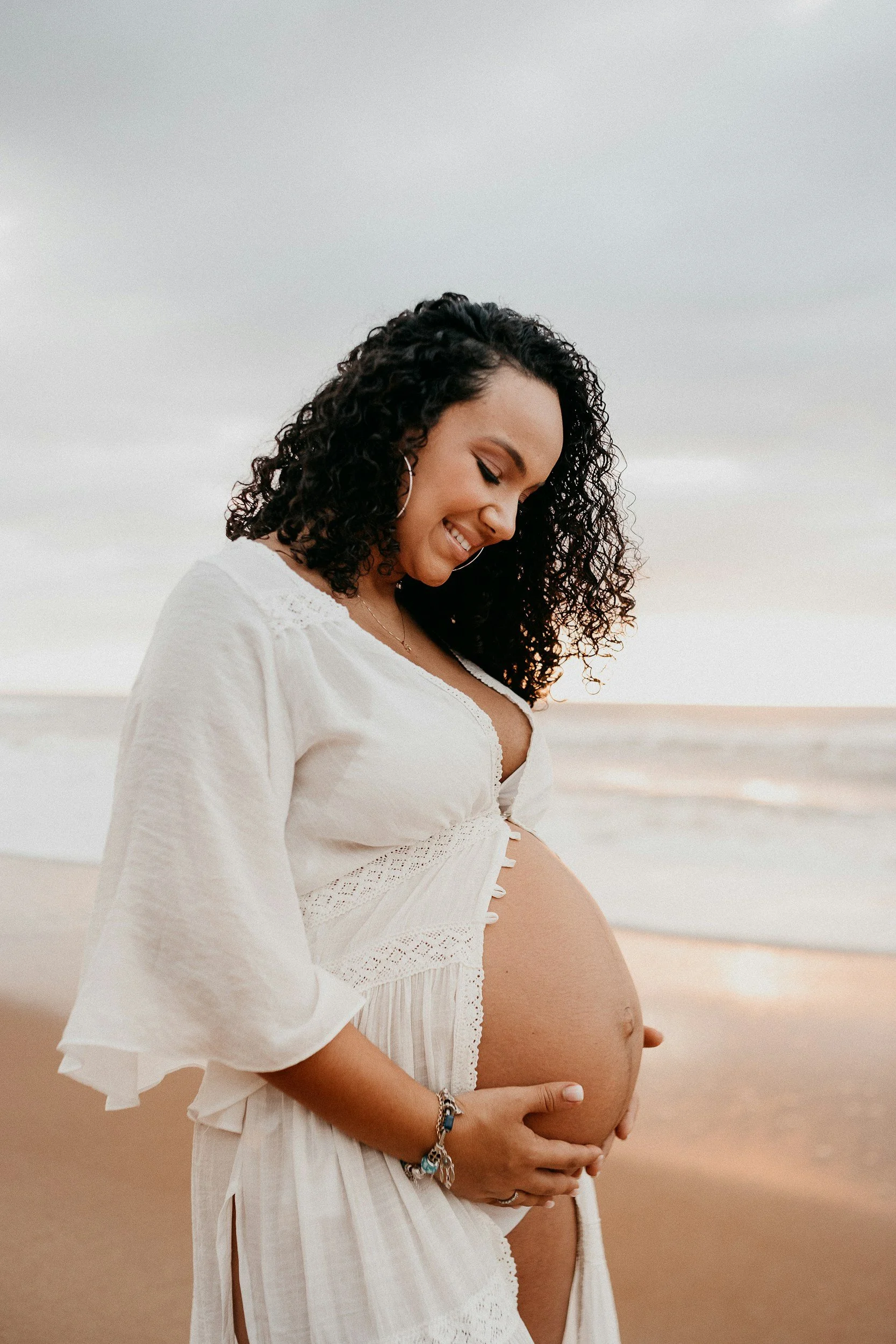

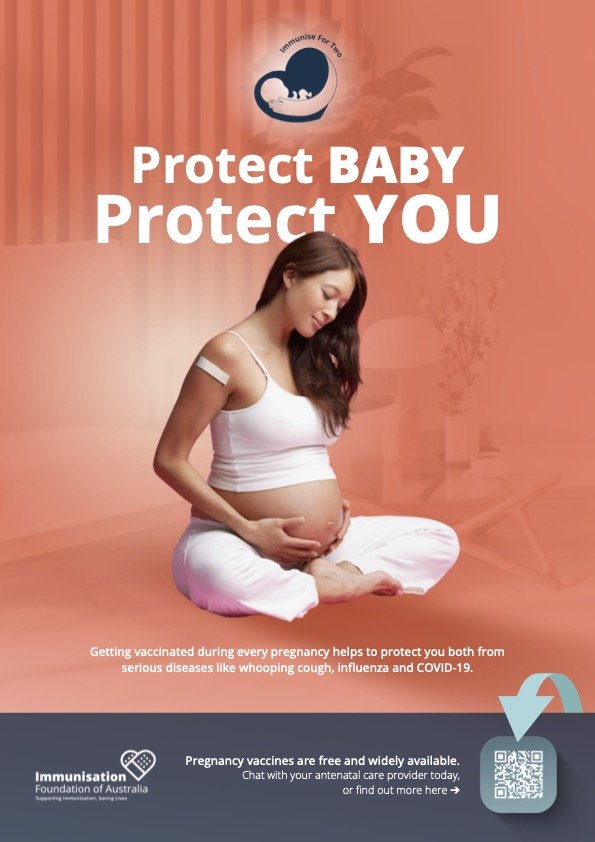


Explore "Medical Mums: Immunise For Two," a campaign dedicated to empowering parents with confidence in pregnancy vaccination. We feature incredible stories from health-based professional mums, including doctors, nurses, midwives, pharmacists, scientists, and researchers. Drawing on their invaluable expertise and personal experiences, these mums highlight the peace of mind and vital protection that pregnancy vaccination provides for babies from the very start. Learn more about how you can protect your little one.
Tap the thumbnail to expand the image



-
When a pregnant woman is vaccinated, she passes antibodies to her baby through the placenta. This helps to protect the baby from infection for the first few months of their life, until they are old enough to be vaccinated themselves.
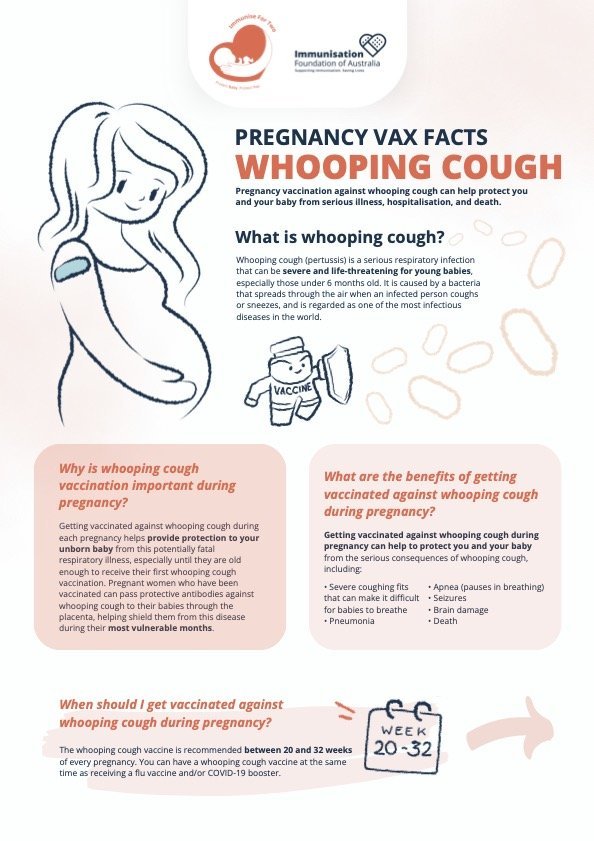
For example, the whooping cough pregnancy vaccine is very effective at protecting babies from whooping cough. In a recent Australian study of over 250 000 pregnant women who were vaccinated against whooping cough, their babies were 70% less likely to get whooping cough in the first few months of life compared to the babies of mothers who didn’t have the vaccine in pregnancy.
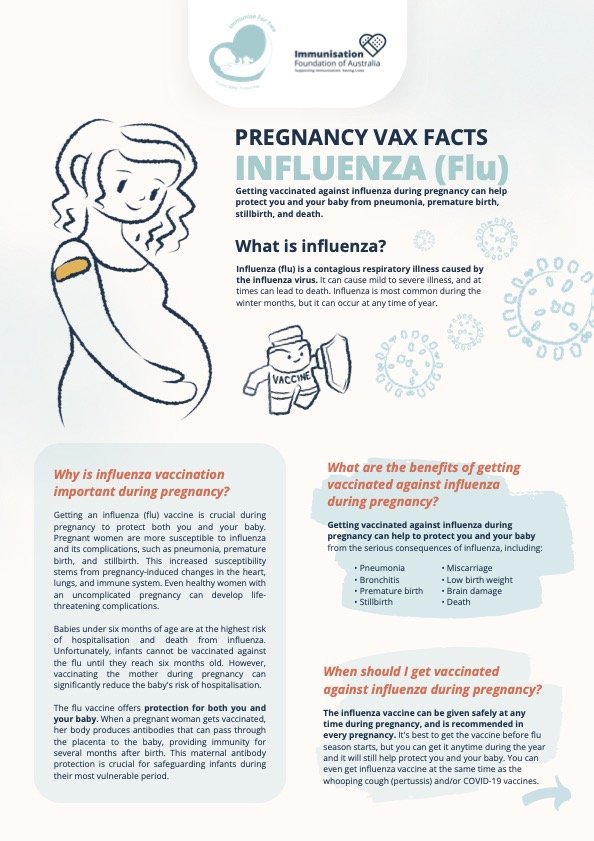
If contracted during pregnancy, whooping cough can lead to insomnia, incontinence, broken ribs and a range of other painful complications. By vaccinating for whooping cough during pregnancy, Mum receives important protection too – it’s a two-for-one deal!The flu vaccine in pregnancy is also effective at protecting both mothers and babies from flu. Research shows the risk of stillbirth is reduced by 51% in pregnant people who are immunised against influenza, and that babies were less likely to be hospitalised with influenza in their first year of life if Mum had a flu vaccine during pregnancy.
Pregnant people who contract influenza are at a higher risk of hospitalisation and death than non-pregnant people, and are at increased risk of serious problems such as premature labour and birth. Fortunately, influenza vaccination during pregnancy reduces these risks for both Mum and baby.
Pregnancy vaccination is a win-win for both mum and baby, providing essential protection against serious diseases. -
An incredible amount of research has been done to ensure that pregnancy vaccination is safe and effective.
This research has been conducted by governments, universities, pharmaceutical companies and independent research organisations.
Huge observational studies, clinical trials and systematic reviews from a range of countries around the world all confirm that pregnancy vaccination is safe, effective and important.
Pregnancy vaccines have also been approved by the Australian Therapeutic Goods Administration (TGA), which is the Australian government body that regulates medical products. The TGA considers the safety, quality and efficacy of every ingredient in a vaccine before a vaccine is registered for use in Australia.
The safety of pregnancy vaccines are actively monitored by AusVaxSafety, Australia’s active vaccine safety monitoring system, with no safety concerns identified.Did You Know?
The whooping cough vaccine has been given to pregnant women in Australia for nearly ten years, and there have been no serious safety concerns.
The flu vaccine is given to millions of pregnant women around the world each year, and it has been shown to be safe and effective.
The RSV vaccine has also been shown to be safe and effective for pregnant women.
If you have any concerns about the safety of pregnancy vaccines, please talk to your GP, midwife or obstetrician. They can help you to understand the risks and benefits of vaccination and make the best decision for you and your baby.
-
Pregnancy vaccines are free for all pregnant women in Australia as part of our routine National Immunisation Program. They are recommended by the Australian Technical Advisory Group on Immunisation (ATAGI), which is the Australian government body that advises on immunisation policy.
Pregnancy vaccines are recommended because they are safe and effective, and they provide important protection for both pregnant mothers and their babies.
The whooping cough vaccine is free and recommended during weeks 20 - 32 of each pregnancy, delivered in a combined injection that also provides protection against diphtheria and tetanus.
The influenza vaccine can be given at any time during pregnancy, preferably before the onset of the influenza season.
Pregnancy vaccines are safe to be administered at the same time, and are available at many GP clinics, immunisation clinics, pharmacies and antenatal hospitals. Speak with your antenatal care provider to find out your most convenient location. -
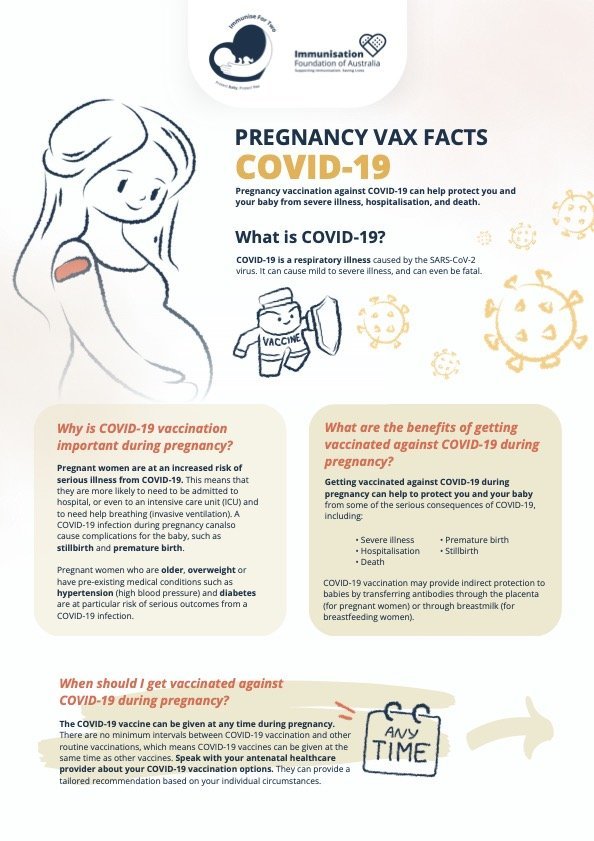
We know that protecting your baby during pregnancy is your highest priority. An infection with COVID-19 can be serious, increasing the risk of complications like premature birth and stillbirth , and making the mother more likely to need hospital care.
While vaccination is a safe and effective way to protect you and your baby, the latest advice depends on your vaccination history.
If you have not been vaccinated against COVID-19: Vaccination is recommended during pregnancy. It is the best way to protect yourself and your baby from the serious consequences of the illness.
If you have already been vaccinated against COVID-19: A further dose is not routinely recommended. However, you may consider another dose after discussing your personal health and circumstances with your doctor. This can provide your baby with important protection after they are born by passing on protective antibodies through the placenta.
The most important step is to have a conversation with your GP, obstetrician, midwife, or pharmacist. They can provide a tailored recommendation based on your individual circumstances, helping you make the most informed decision to protect your family.
-
Newborn babies are vulnerable to infectious diseases, because their immune systems are not yet fully developed.
Whooping cough in newborn babies is extremely dangerous. It can cause severe coughing fits that make it difficult for the baby to breathe. Whooping cough can also lead to pneumonia, seizures, and brain damage. Newborn babies are too young to be vaccinated against whooping cough, so they rely on their mother's antibodies for protection until old enough for their own vaccines.
Influenza in newborn babies can be very serious, even life-threatening. It can cause difficulty breathing, pneumonia, and dehydration. Newborn babies are especially vulnerable to influenza because they have not yet had a chance to develop antibodies against the virus, unless their mother was vaccinated in pregnancy.RSV (respiratory syncytial virus) is the number one reason why Australian babies are hospitalised each year, and can lead to complications like bronchiolitis, pneumonia and long-term impacts on the lungs. Protection via pregnancy vaccination and infant immunisation has been made recently available to all Australian babies.
-
Good news! RSV immunisations to protect infants and pregnant women are now available. Speak to your antenatal healthcare provider or GP to find out more about how you can protect yourself and your baby.
For additional information and prevention tips, visit our Unite Against RSV page.
Remember, simple steps like avoiding sick people, washing your hands often, and maintaining a healthy lifestyle can also help protect you and your baby from RSV and other infections.
-
Pregnancy vaccination has been practiced in Australia for over 20 years. It is a routine and recommended part of prenatal care, and something that most Australian women opt to have.
Pregnancy vaccination is not a “new” concept – as early as 1879, it was recognised that infants born to women who had received the smallpox vaccine during pregnancy were immune to the virus in early life.
Tetanus pregnancy vaccination programs began around fifty years ago, helping to protect newborns in developing countries from deadly neonatal tetanus infections.The whooping cough vaccine was first given to pregnant women in Australia in 2014. The flu vaccine has been given to pregnant women in Australia for even longer.
-
Pregnant women are more susceptible to some infectious diseases, such as influenza and whooping cough. This is because their immune systems are weakened during pregnancy.
There are a number of reasons why pregnant women are more susceptible to infectious diseases. One reason is that the hormones that are produced during pregnancy can suppress the immune system. Another reason is that pregnant women have a higher volume of blood, which can make it more difficult for their immune system to fight off infection.
Because of this, pregnant women are more likely to experience severe illness and complications from influenza than non-pregnant women. Additionally, changes in their heart and lung function during pregnancy make them more susceptible to respiratory problems.
According to a study published in the Medical Journal of Australia, pregnant women who contract influenza are at a 51% higher risk of stillbirth and a 31% higher risk of premature delivery. They are also at an increased risk of hospitalisation and death.
COVID in pregnancy can increase the risk of hospitalisation, premature birth, stillbirth, and other serious complications for both mother and baby. In fact, pregnant women in Australia are 2.7 times more likely to be hospitalised with COVID than non-pregnant women of reproductive age, due to changes to their immune system and respiratory system during pregnancy.
Pregnancy vaccination is the best way to protect pregnant women from infectious diseases and their serious complications, including hospitalisation.
-
Pregnancy vaccination has led to a significant decrease in the hospitalisations and deaths of Australian infants from diseases like whooping cough and influenza. In fact, Australia now reports some of the highest pregnancy vaccination rates in the world – something we can all be very proud of!
Globally, these diseases still kill a huge number of children. According to the World Health organisation (WHO) there are an estimated 160 700 deaths from whooping cough in children under 5 each year, and up to 100 000 deaths from influenza in children under 5 each year.
Many of these deaths occur in low- and middle- income countries, many of which could be prevented with access to pregnancy vaccination.
We can all play a role in protecting infants from whooping cough, influenza, and other vaccine-preventable diseases by talking to our pregnant friends and family members about the importance of pregnancy vaccination.
-
It is important for all adults to be up to date on their vaccines, but this is especially important for people who are around babies.
Some vaccines, such as the whooping cough vaccine, are particularly important for adults to get if they are around babies. This is because adults can pass the infection on to babies, even if they do not get sick themselves.
Adults around babies should get a whooping cough vaccine at least every 10 years and a flu vaccine every year.It takes about 2 weeks for the whooping cough vaccine to be fully effective, and about 2 weeks for the flu vaccine to be fully effective. This means that adults should get vaccinated at least 2 weeks before being around a baby, to give their immune system time to build up protection.
Staying up-to-date on your own vaccines is a great way to help protect babies and vulnerable people from serious infections. You can check if your vaccines are up to date by talking with your GP, pharmacist or accessing your Immunisation History Statement via the Express Plus Medicare app.

Watch
To explore more videos, look for the playlist icon at the top corner of the video player.
Listen

Tap or click the image to read their stories.


The Immunisation Foundation of Australia (IFA) is committed to supporting healthcare professionals and communities in promoting the importance of immunisation. We offer valuable resources and educational opportunities to help address vaccine hesitancy and increase vaccine uptake.
Complete the form below to request:
1. Immunisation Advocacy Presentation for Your Staff
Strengthen your clinical team with the knowledge and confidence to champion immunisation. The Immunisation Foundation of Australia offers a tailored 30-minute presentation designed for healthcare professionals. This session is delivered by
IFA founder and director Catherine Hughes AM. Drawing on her wealth of knowledge as an immunisation advocate and her personal experience with vaccine-preventable diseases, Catherine's presentation can cover:
Strategies for effectively addressing common vaccine concerns and hesitancy.
Communicating evidence-based information clearly and compassionately.
Utilising powerful personal stories to build trust and understanding.
This presentation is ideal for midwives, maternal and child health nurses, obstetricians, general practitioners, and other healthcare providers involved in maternal and infant care. We welcome the opportunity to discuss how this presentation can benefit your team.
2. "Immunise for Two" Hospital Resource Pack
Receive a comprehensive pack of resources designed to promote and educate about the benefits of maternal vaccination and broader immunisation. This pack includes:
Double-sided flyers about RSV and a poster set promoting RSV protection , including a "Key Facts for Providers" document specifically on RSV and an RSV signs & symptoms magnet.
"Whooping Cough Day" double-sided posters and Pregnancy Vaccination posters.
Community Story Posters featuring personal narratives on Pneumococcal, Pertussis, Influenza, HiB, and Measles.
A valuable resource for patients experiencing needle phobia, offering coping strategies and alternative approaches to improve access.
The "What about Autism" double-sided leaflet, effectively debunking myths about the unfounded link between vaccines and autism.
These resources are designed to be easily integrated into patient discussions, waiting rooms, and educational initiatives within maternity hospitals and clinics.

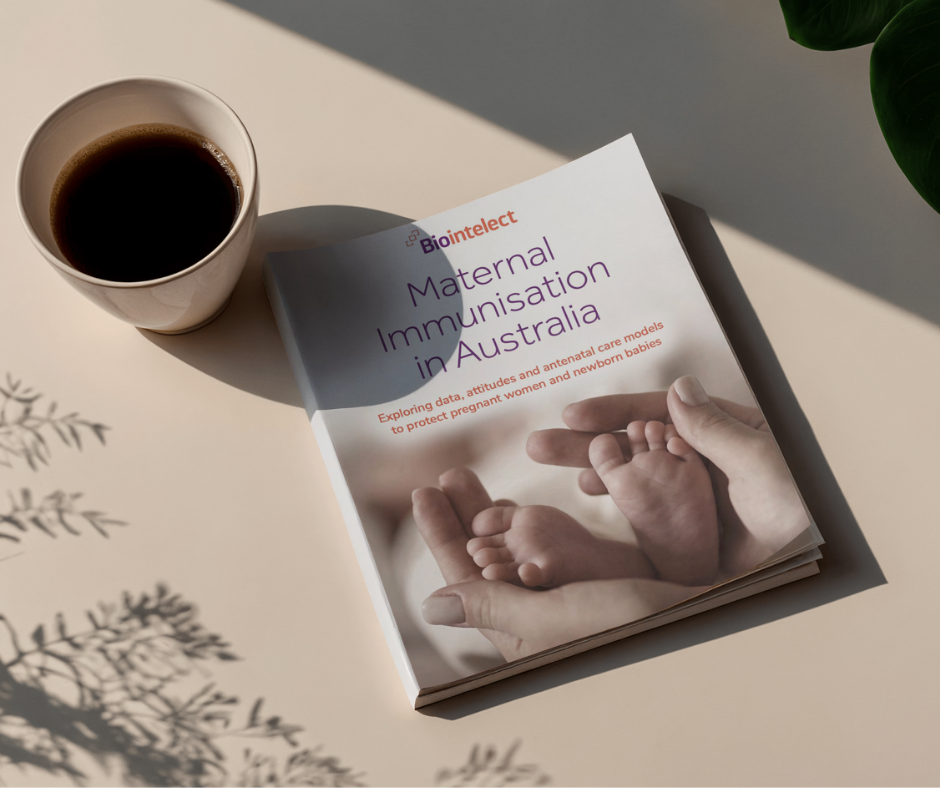
Maternal Immunisation in Australia
The Maternal Immunisation in Australia whitepaper was developed by Biointelect in collaboration with the Immunisation Foundation of Australia (IFA) and supported by Pfizer Australia. The whitepaper brings together the expertise of leading clinicians, researchers, policymakers, advocates and health system specialists and identifies practical, evidence-based solutions to strengthen maternal immunisation uptake across the country.


Thank you for your support
Your donations boost pro-vaccination initiatives, increase vaccine confidence, and support immunisation research. They help build Australia's largest immunisation network, distribute educational resources, advocate for better vaccine access, and provide guidance for vaccine-related concerns through trusted, evidence-based support.

FOLLOW US ON SOCIAL MEDIA
Using the #immunisefortwo hashtag, please feel free to share our poster, video, flyer or facts on social media. Share your stories on social media!